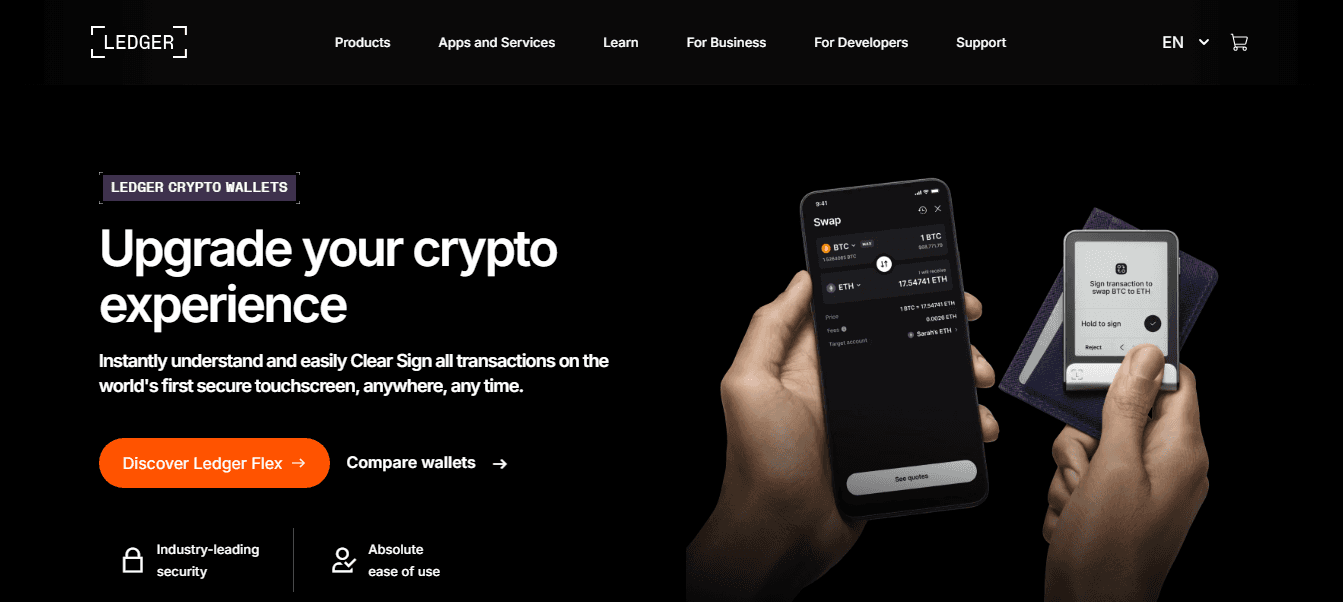
Ledger.com/start – Complete Setup Guide for Ledger Hardware Wallets
Ledger.com/start is the official setup portal for initializing and configuring Ledger hardware wallets including Ledger Nano S Plus, Ledger Nano X, and Ledger Stax. This guide helps you register your device, install Ledger Live, secure your recovery phrase, and begin managing cryptocurrencies safely. The Ledger ecosystem is built to store private keys offline, providing a layer of security not available through software wallets alone.
Understanding Ledger Hardware Wallets
Ledger devices operate as offline storage units that safeguard private keys used for cryptocurrency transactions. Instead of storing sensitive data on internet-connected devices, the hardware wallet signs transactions within its secure chip and requires user approval directly on the device screen. This ensures that even if your computer is compromised, your funds remain protected.
Ledger supports a wide range of digital assets including Bitcoin, Ethereum, stablecoins, NFTs, and thousands of ERC-20 and blockchain-native tokens. Functionality for each asset is controlled through Ledger Live, the software companion used alongside the device.
What You Need Before Setup
Before you begin the initialization process at Ledger.com/start, make sure you have:
A genuine Ledger hardware wallet in its original packaging.
A USB cable compatible with your device.
A trusted desktop or mobile device with internet access.
A pen and the recovery sheets included in the box.
Ensure the packaging has not been tampered with or resealed. Ledger products come with secure packaging designed to prevent unauthorized manipulation.
Step 1: Visit Ledger.com/start and Install Ledger Live
To start, open your browser and go to Ledger.com/start. The page will redirect you to the official setup workflow and provide download options for Ledger Live. Ledger Live is available on Windows, macOS, Linux, Android, and iOS (mobile availability may vary by device type).
Once downloaded, install the application on your device. Ledger Live enables portfolio management, crypto sending and receiving, staking options, updates, and firmware installation.
Step 2: Connect Your Ledger Wallet
After launching Ledger Live:
Select the option to set up a new device.
Plug in your Ledger device using the provided USB cable or Bluetooth if using Ledger Nano X (only connect Bluetooth through official channels).
Turn on the device using the button instructions shown on the screen.
Ledger Live will automatically detect your device type and provide step-by-step on-screen setup instructions.
Step 3: Create a PIN Code
The device will prompt you to create a PIN code. This code protects your wallet from unauthorized physical access. Follow these guidelines:
Do not use simple combinations like 0000, 1111, or 1234.
Ensure the PIN is memorable but not written in visible places.
Never share your PIN with anyone.
A PIN is required every time the device is turned on, making it a crucial layer of protection.
Step 4: Secure and Store Your Recovery Phrase
After setting the PIN, your Ledger device will display a 24-word recovery phrase. This recovery phrase is the only means of restoring wallet access if the device is lost, erased, or damaged.
Follow strict security rules:
Write the 24 words on the recovery cards provided in the box.
Never type the words into a phone, computer, or camera app.
Never store the phrase digitally in photos, notes, cloud services, or messages.
Do not share the phrase with anyone, including support or customer service.
Anyone who controls this phrase has full access to your assets. Store it securely in a private, offline location. Advanced users may choose backup metal plates for fire and water resistance.
Step 5: Confirm the Recovery Phrase
The device will ask you to verify the words by selecting them in the order provided. This ensures the phrase was written correctly without errors. Double-check spelling and order carefully, as incorrect information could prevent future wallet recovery.
Step 6: Install Apps and Add Crypto Accounts in Ledger Live
Once the device setup is complete, Ledger Live will require installation of blockchain apps corresponding to the cryptocurrencies you want to store. For example:
Bitcoin requires its own Bitcoin app.
Ethereum requires the Ethereum app to support ETH and ERC-20 tokens.
Other chains require dedicated blockchain apps.
After installing apps, add corresponding accounts within Ledger Live. Accounts allow you to view balances, receive funds, and manage transactions for each asset type.
Step 7: Send, Receive, and Manage Crypto Assets
With accounts added, you can:
Receive crypto by sharing your receiving address.
Confirm outgoing transfers on the Ledger device before sending.
View portfolio values and transaction history.
Stake certain assets for rewards if supported.
Manage NFTs on compatible networks.
Every transaction must be approved physically using the Ledger device screen, ensuring assets cannot be moved without the device in your possession.
Important Security Tips for Ledger Users
To maximize protection of your digital assets:
Only download Ledger Live from official sources through Ledger.com/start.
Never reveal your recovery phrase under any circumstance.
Always verify receiving and sending addresses on the device screen.
Keep firmware and Ledger Live updated through official instructions.
Avoid third-party tutorials promising shortcuts or alternative apps.
Final Thoughts
Ledger.com/start enables users to set up their wallet with strict safety protocols, helping them retain full control over their crypto assets. By keeping private keys offline, protected with PIN and recovery mechanisms, Ledger provides secure asset storage suitable for both casual holders and professional traders. Following the setup instructions carefully ensures that your wallet remains safe and your funds remain accessible only to you.